The 2022 meeting, at a glance
- Event
- 7th International Symposium on Energy and Protein Metabolism and Nutrition
- Held
- 12–15 September 2022
- Place
- Granada, Spain
- Overall theme
- Energy and protein metabolism and nutrition in relation to sustainability
- Sessions
- Seven, listed below
- Plenary lectures
- Ten
- Series began
- 1958, as two separate symposia that merged in 2003
- Abstracts
- Published open access in Animal – Science Proceedings
The subject, and what this page is
Energy and protein metabolism is the part of animal science that follows what happens to feed after it has been eaten: how much of the energy in a ration ends up as maintenance, milk, eggs, muscle or heat, how much of the protein is absorbed as amino acids and how much leaves the animal as nitrogen, and how the balance between the two shifts with species, physiological stage, feed composition and ambient temperature. It is measurement-heavy work, and it sits underneath most of what is said in public about feed efficiency and about the environmental cost of livestock.
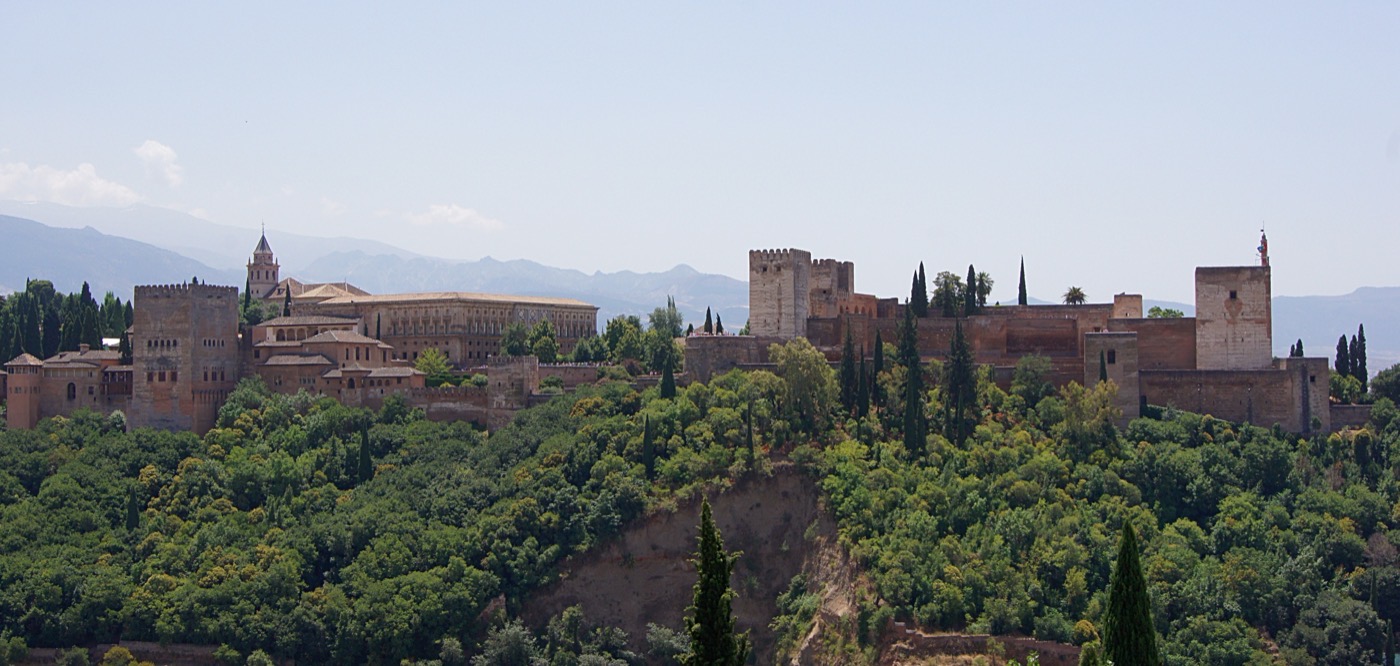
This domain once carried the site of the 7th EAAP International Symposium on Energy and Protein Metabolism and Nutrition, held in Granada from 12 to 15 September 2022. What follows documents that meeting in the past tense and keeps what has not dated: the subject itself, the history of the series, and the city.
Note. This is an independent page. It is not the official site of the symposium, it has no connection with the organisations that ran it, and there is no registration, programme or secretariat in operation.
The field in seven topics
The 2022 meeting worked through seven headings, and between them they map the field fairly well as it stands.
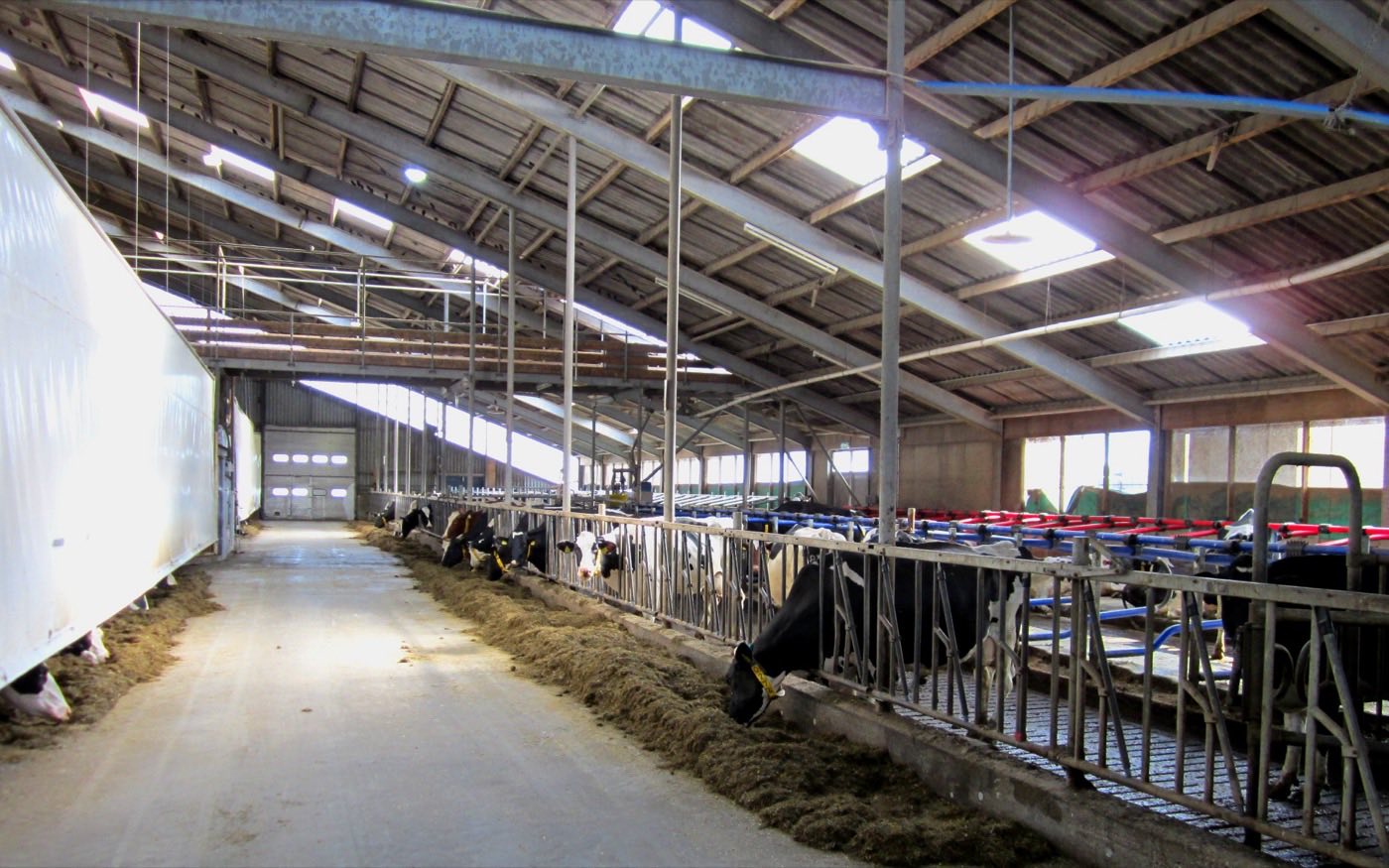
- Protein and energy metabolism in ruminants. Where the rumen sits between the ration and the animal and rearranges both before anything is absorbed.
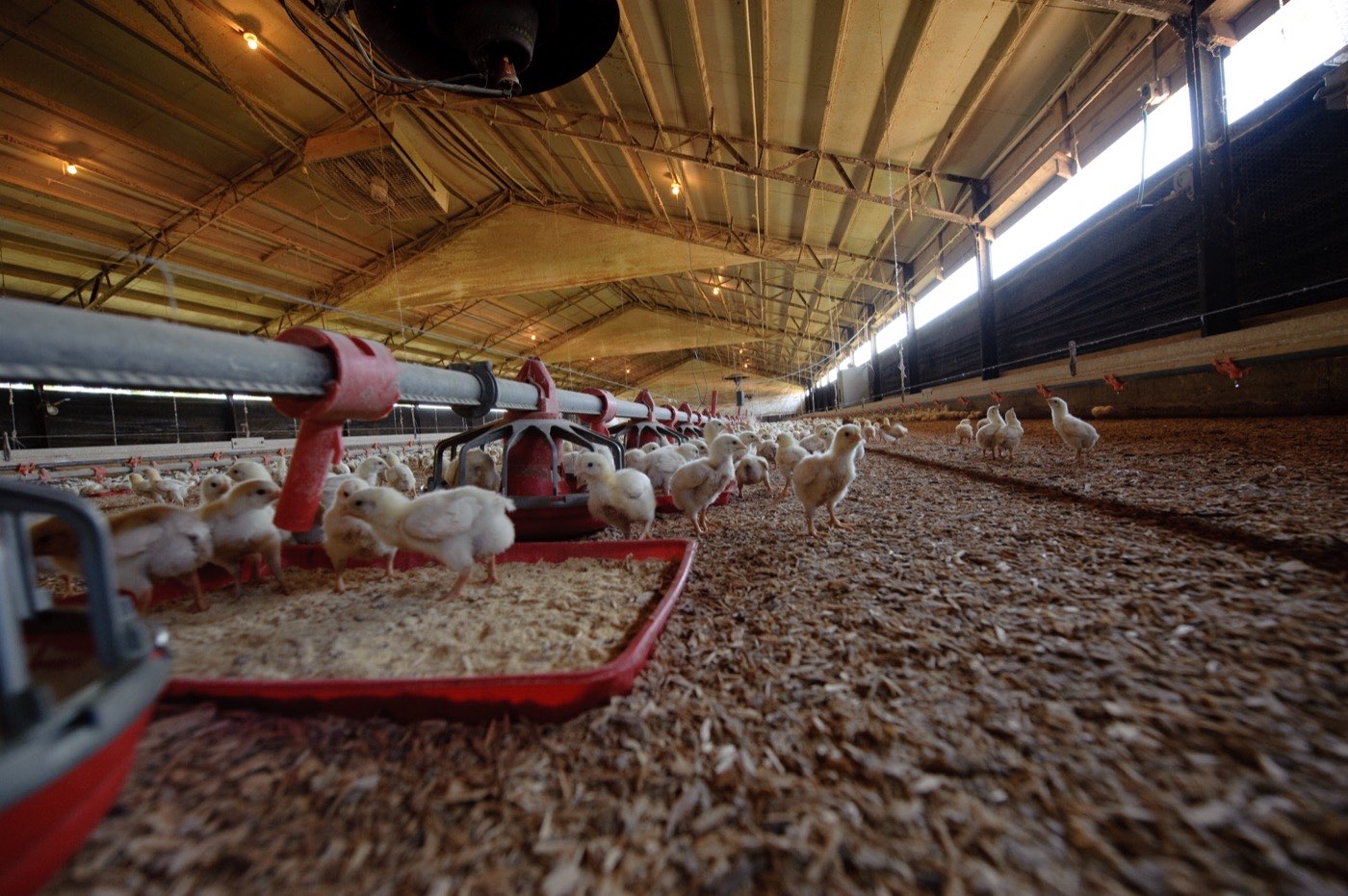
- Protein and energy metabolism in non-ruminants. Pigs and poultry above all, where supply can be read much more directly at the gut.
- Heat stress and other environmental challenges. What a hot week does to intake, to amino acid use and to the energy budget of an animal that was fed for milder conditions.
- Reducing the environmental impact of livestock. Greenhouse gases and other emissions, treated as an output of metabolism rather than as a separate accounting exercise.
- Feed processing, additives and novel feeds. What processing does to availability, and what happens when unfamiliar raw materials enter a ration.
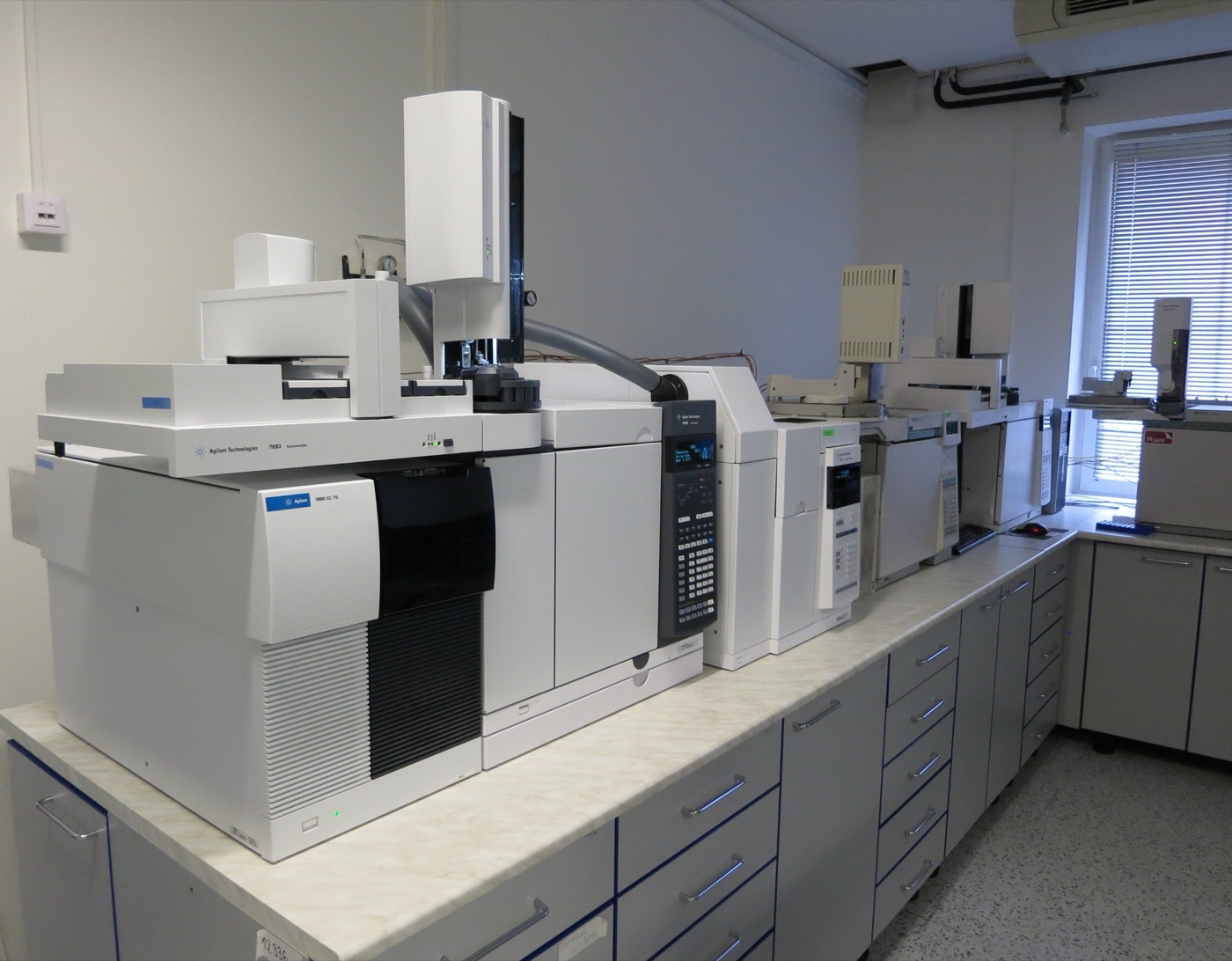
- Methods and technologies for research and smart nutrition. Calorimetry, tracer work and sensing, which between them decide what can be measured at all and therefore what can be argued about.
- Modelling. The requirement systems and the mathematics that carry a result from a small number of animals to a recommendation for a whole population.
A number that comes out of a respiration chamber is worth as much as the method that produced it, which is why two of the seven headings are about measurement and modelling rather than about animals.
The people who work on this come from universities, research institutions and industry, and the material travels beyond farm species: pet nutrition rests on the same measurements, and animal models are used in work on human nutrition.
What was discussed in Granada in 2022
The overall theme was energy and protein metabolism and nutrition in relation to sustainability, addressed across those seven sessions. It was planned as a face-to-face meeting, with a hybrid format held in reserve in case it became necessary. The programme carried ten plenary lectures, and their subjects are the clearest surviving record of where the field stood that year.
On the ruminant side, one lecture set out the several uses that can be made of the efficiency of utilisation of essential amino acids in dairy cows, and another examined the physiological impact of amino acid supply during heat stress. A third reviewed the state of knowledge on the importance of folates and cobalamin for dairy cow metabolism. The non-ruminant material covered nutrient and energy supply in monogastric food-producing animals with a reduced environmental and climatic footprint, methods and biomarkers for investigating metabolic and gut health and function in pigs, and the nutritional regulation of muscle growth in the neonate.
Two lectures went at the environmental question head on. One asked whether reducing enteric methane emissions really does improve energy metabolism in livestock, putting a widely held tenet up as a proposition to be tested rather than a settled conclusion. The other looked at the composition and use of animal diets within circular food production systems. The modelling session addressed the energy and protein requirements of farm animals and how existing modelling approaches might be harnessed for sustainable animal production. One further lecture was memorial in character and took a historical view of the symposium series itself.
A series that started in 1958
The meeting held in Granada grew out of two older series. The International Symposium on Energy Metabolism ran from Copenhagen in 1958 to Snekkersten, also in Denmark, in 2000. The International Symposium on Protein Metabolism and Nutrition ran from Nottingham in 1974 to Aberdeen in 1999, both in the United Kingdom. The two combined in 2003, and the first International Symposium on Energy and Protein Metabolism and Nutrition was held that year in Rostock, in Germany. It has been held every three years since: Vichy in France, Parma in Italy, Sacramento in the United States, Krakow in Poland, Belo Horizonte in Brazil, and then Granada.
Energy and protein had been kept in separate meetings for decades, although both are measured in the same experiment and traded against each other in the same ration. The 2003 merger put them in one room.
Abstracts accepted for the 2022 meeting were published in open access in Animal - Science Proceedings. Papers were written and presented in English throughout.
Granada, the host city
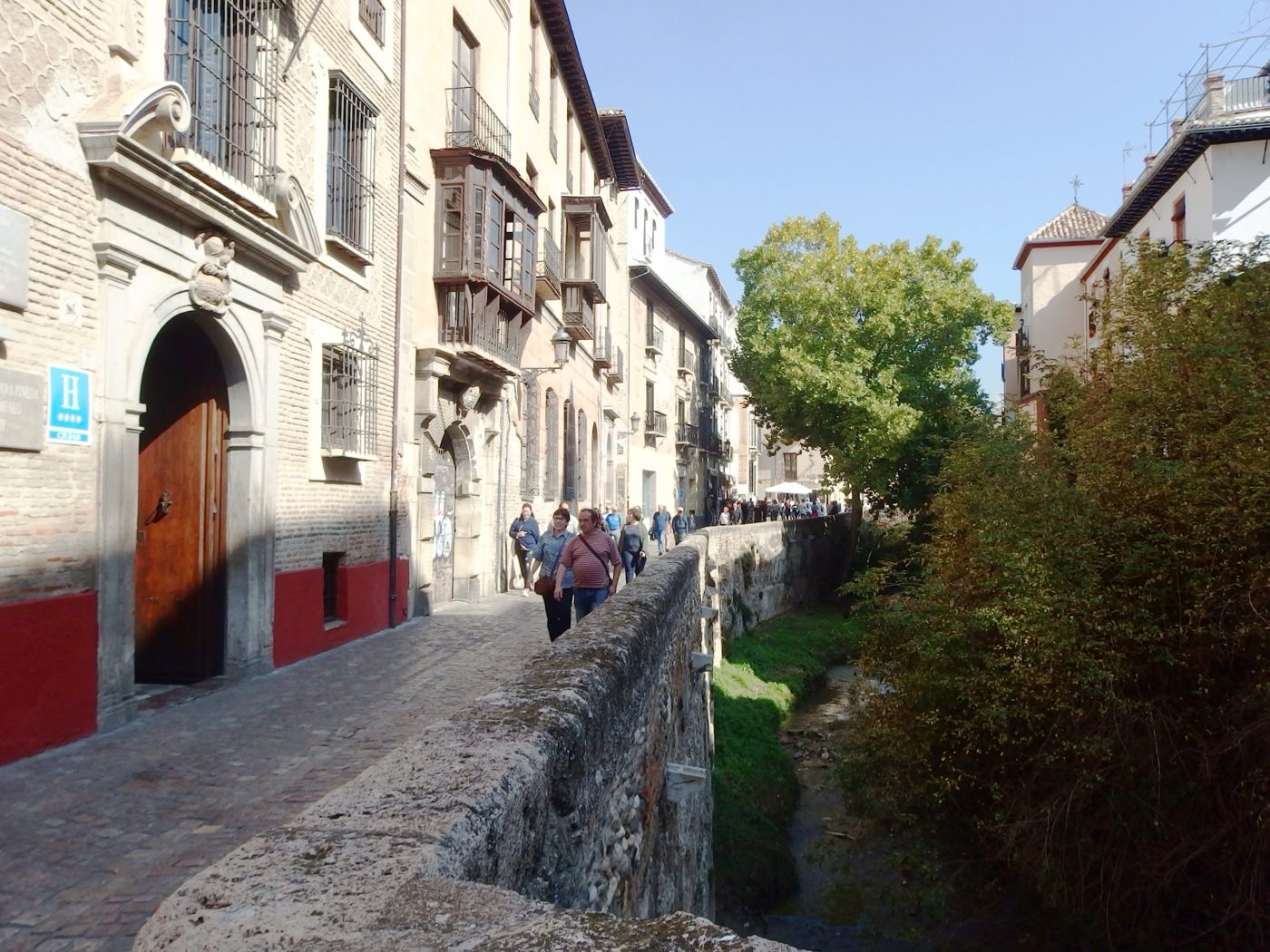
Granada does not summarise well. It carries a long history and an artistic and cultural inheritance left by Muslim and then Christian rule, laid down one over the other, and much of it is still standing, and the city council keeps its own practical pages for visitors.
Much of that history turns on a single date. On 2 January 1492 the last Muslim ruler in Iberia, Emir Muhammad XII, known to the Spanish as Boabdil, surrendered complete control of the Emirate of Granada to the Catholic Monarchs, Ferdinand II of Aragon and Isabella I of Castile, in the closing episode of the Granada War. The capitulation is one of the most significant events in the city's history, and in those same days, in the same place, the expedition that would reach America was agreed.
Around 250,000 people live in the modern city, which is small enough that everywhere can be reached on foot. The province has beaches 70 km away and the highest summit of the Iberian Peninsula, at 3,479 m.
Food is one of the reasons visitors stay longer than they meant to. The custom is tapas: small and varied portions eaten as an aperitif in bars and restaurants, and in Granada they still arrive free with a soft alcoholic drink. Usually the waiter decides what the kitchen sends out, though some bars keep a list to choose from. Going for tapas with friends is among the most ingrained local traditions, and it is done on the move: a walk through the historic quarters, Realejo, the Albaicín or Sacromonte, and a stop wherever the bar looks right. What comes out is cheese, cured sausage or ham, or a warm local dish: engañifa, callos, habas con jamón, papas a lo pobre, pescaíto frito.
The University of Granada was founded in 1531 by King Charles I of Spain, close to five centuries ago, which places it among the historical universities of the country. More than fifty thousand students are enrolled, and they set the temperature of the streets, which is festive and carefree and a good deal younger than the monuments.
The social programme of 2022 used places that were there before it and are there still: a reception at the Palacio Carmen de los Mártires, a night visit to the Alhambra, an evening at La Chumbera in Sacromonte, and day trips to the Alpujarra, to an olive oil mill and to a winery.
Practical notes for visitors
Mains supply is 220/240 volts at 50 Hz, with two round-pin plugs used across the country. Travellers from outside the EU may need an adaptor.
Attending a professional event in Spain as a speaker, participant or attendee, without working, performing or being paid to contribute, can still require a visa depending on nationality. The authority on that is the traveller's own department of foreign affairs, and the checking is best done well ahead of departure.
Spain has a high-standard healthcare system that mixes public and private provision, and Granada has several public hospitals with accident, emergency and outpatient services. Comprehensive travel insurance remains sensible.
Banks in the city are generally open Monday to Friday from 8:15 to 14:15, and some branches in shopping centres also open on Saturday, with varying hours. Cash machines are spread throughout the city and recognise cards issued by most banks. MasterCard, Visa and American Express are accepted by most outlets. Licensed currency exchange is available at Spanish airports, at bureaux de change around the city and at most banks. Notes come in denominations of 5, 10, 20, 50, 100 and 200 euro; coins run 1, 2, 5, 10, 20 and 50 cents, plus 1 and 2 euro.
The climate is Mediterranean. September in the city averages a maximum of 28 °C and a minimum of 15 °C, and the weather is usually mild and dry with clear skies, although something light for the evening is worth packing.
One thing that catches visitors out, since the advertising is everywhere: online gambling in Spain is licensed by the state, and the public register of licensed operators is the only reliable way to tell an authorised site from a page that merely advertises one. There is a separate note on how the Spanish licence rules work, written around one advertised brand.
A note on this page
The symposium took place in September 2022 and is long over. There is no registration, no programme and no secretariat in operation, and nothing here should be read as an invitation to any of them. What has been kept is the subject matter, the seven topics, the ground the plenary lectures covered and the history of the series, together with the practical and cultural notes about Granada, which do not date.
This page is independent. It is not the official site of the symposium, it is not maintained by or connected with the organisations that ran it, and it speaks for nobody but itself.